Inkl. moms.
Leveringstid: 2–4 hverdage · Italien
Important: Always use clay lubricant. Only use on paintwork if you plan to polish afterwards, as claying can leave fine marring.
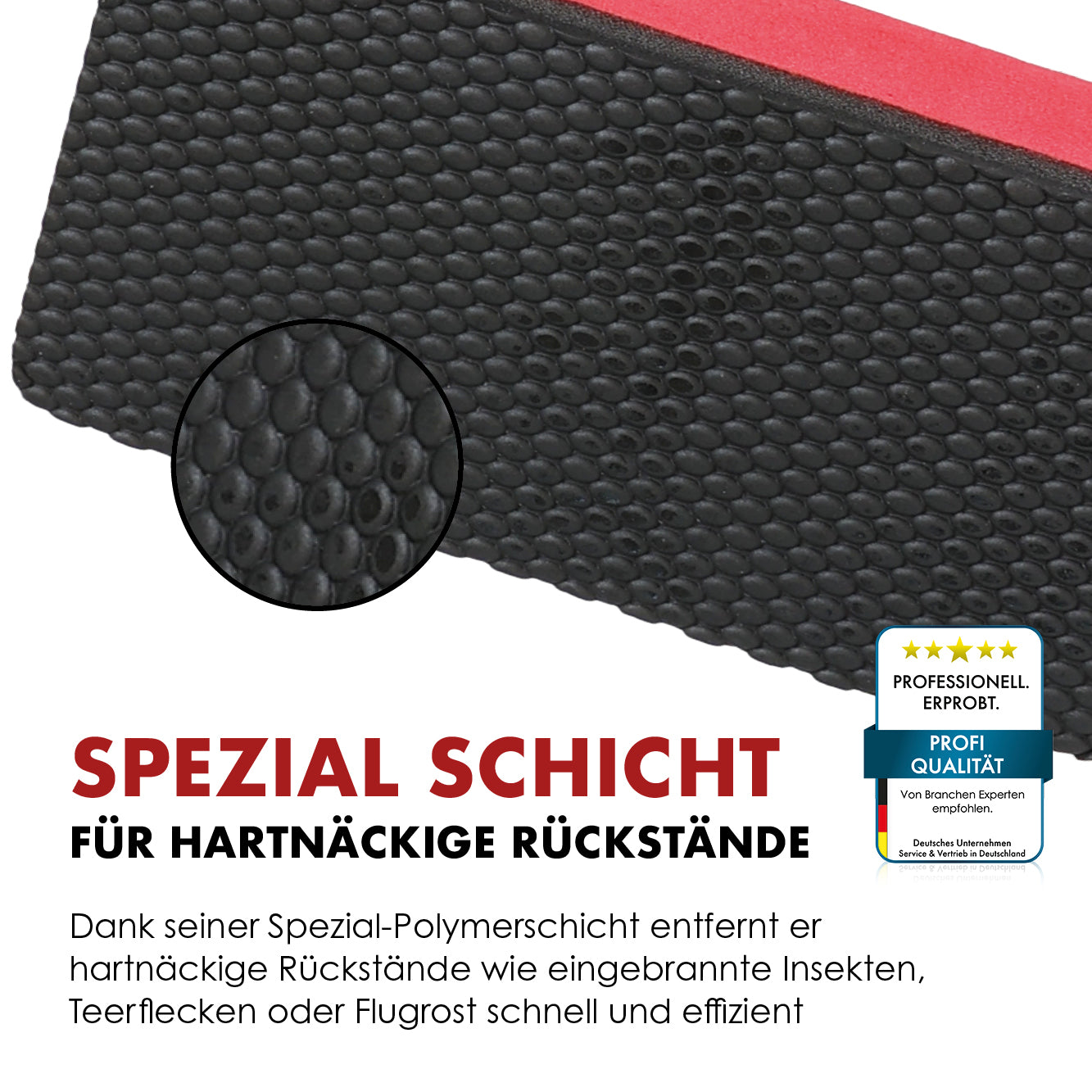
For bonded contamination on gloss paintwork, glass and compatible smooth plastics. Its polymer coating removes contamination such as iron fallout particles, tar spots and insect residue. It is especially useful on glass when washing alone leaves deposits behind.
Test on an inconspicuous area first. Do not use on matt paint or textured plastics. Follow the care instructions for coated glass. Plan to polish paintwork afterwards.
Yes. Always work on a clean, generously lubricated surface. Use clay lubricant or a dilute mix of Wash & Foam and water. Apply light pressure and rinse the polymer face regularly as you work.
Clean with fresh water after use and leave to air dry. Do not wring out or machine wash. If damaged, contaminated with trapped dirt or dropped on the ground, stop using it on paintwork.
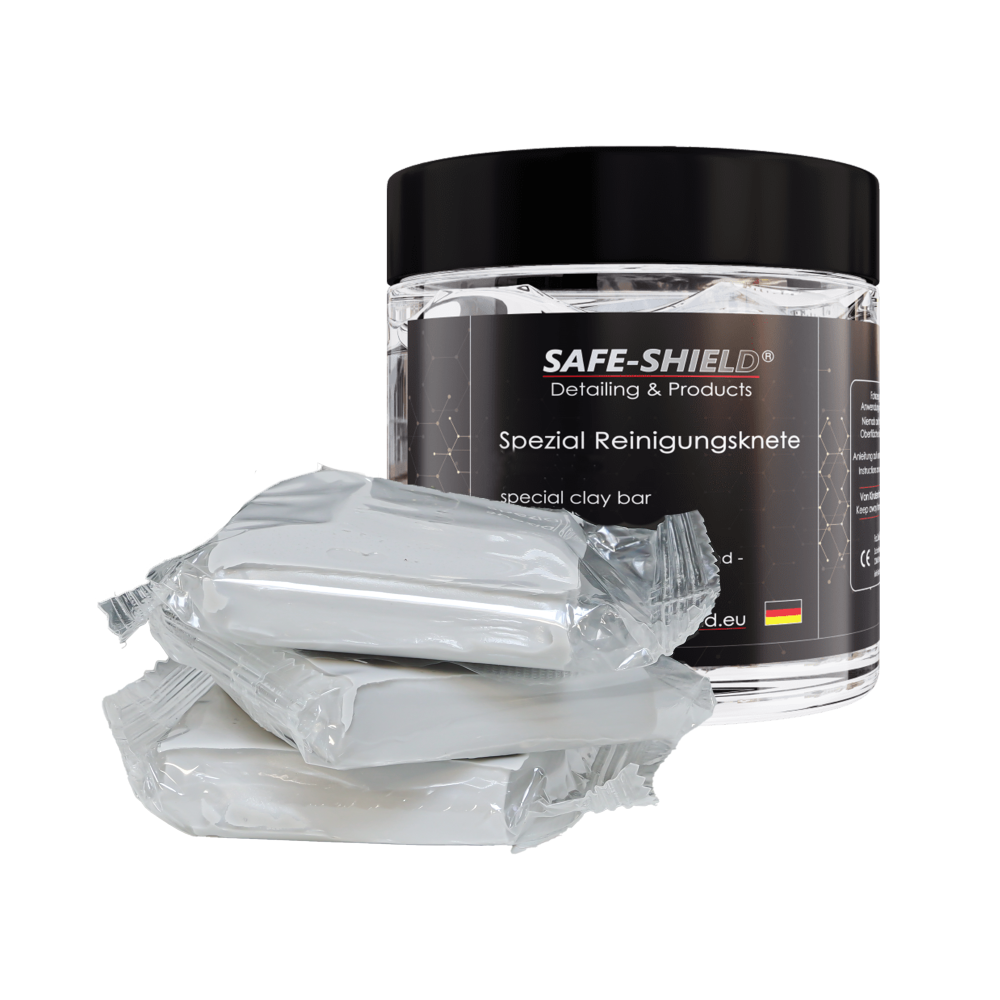
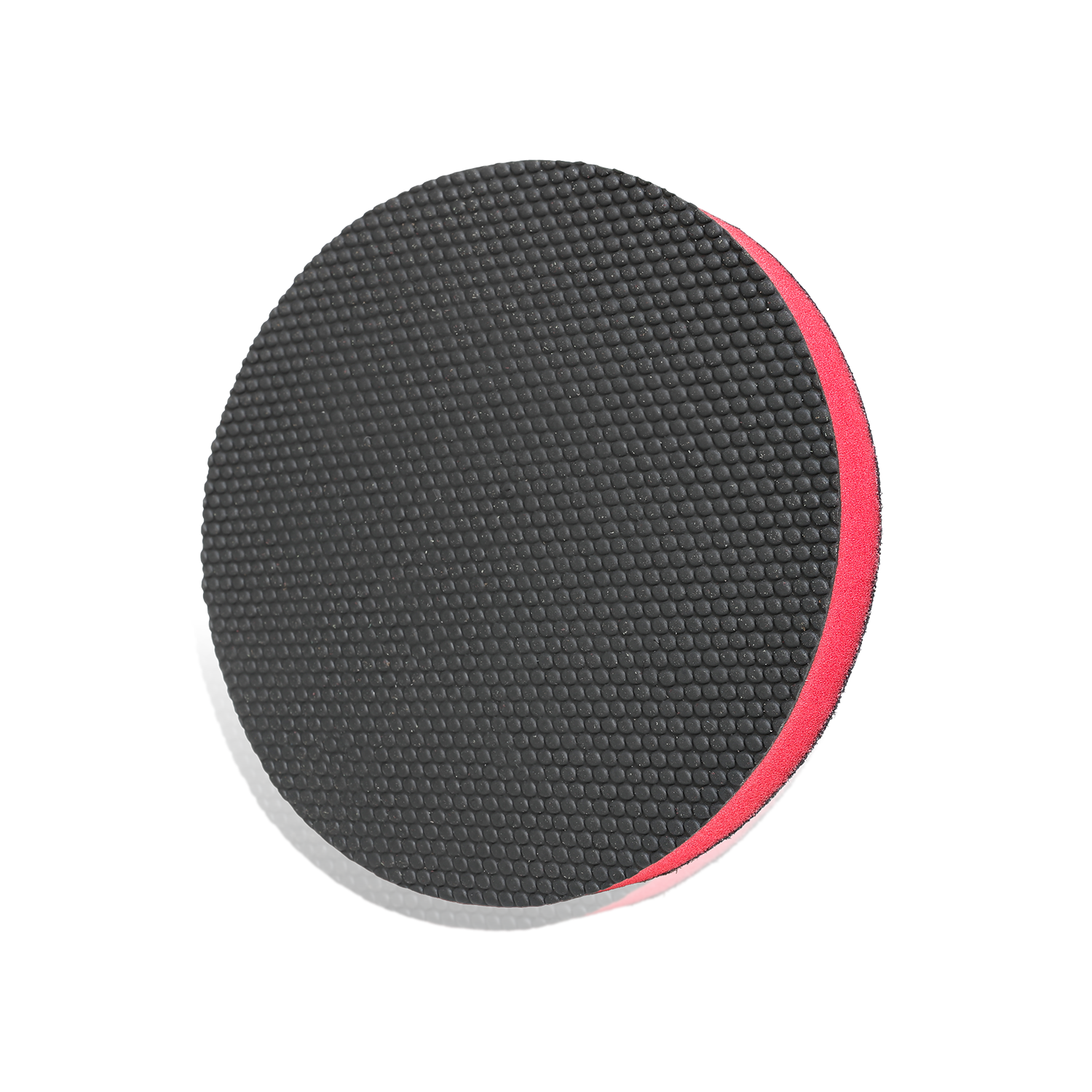
You receive one Clay Sponge for manual use. Its fixed polymer face is rinsed clean rather than kneaded. A mouldable clay bar is more flexible around tight contours, while the Clay Disc covers larger areas using a dual-action polisher. Lubricant is available separately.
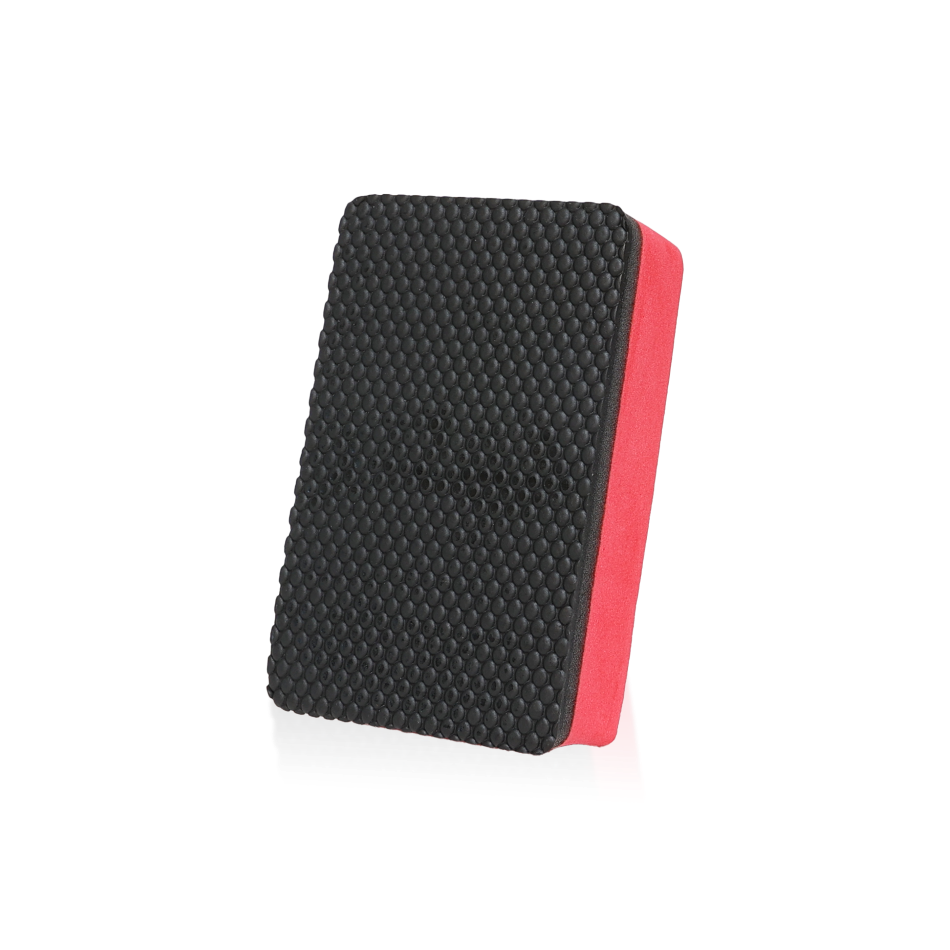

Thorough manual decontamination for paintwork and glass
Easy-grip sponge. Effective polymer face. The Clay Sponge sits securely in your hand and removes bonded contamination from smooth surfaces. It is particularly useful on vehicle glass for stubborn insect residue left after washing.
Rinse instead of kneading. Clean the coated working face as you go and reuse it while it remains clean and undamaged. On paintwork, it creates a smooth surface ready for polishing.
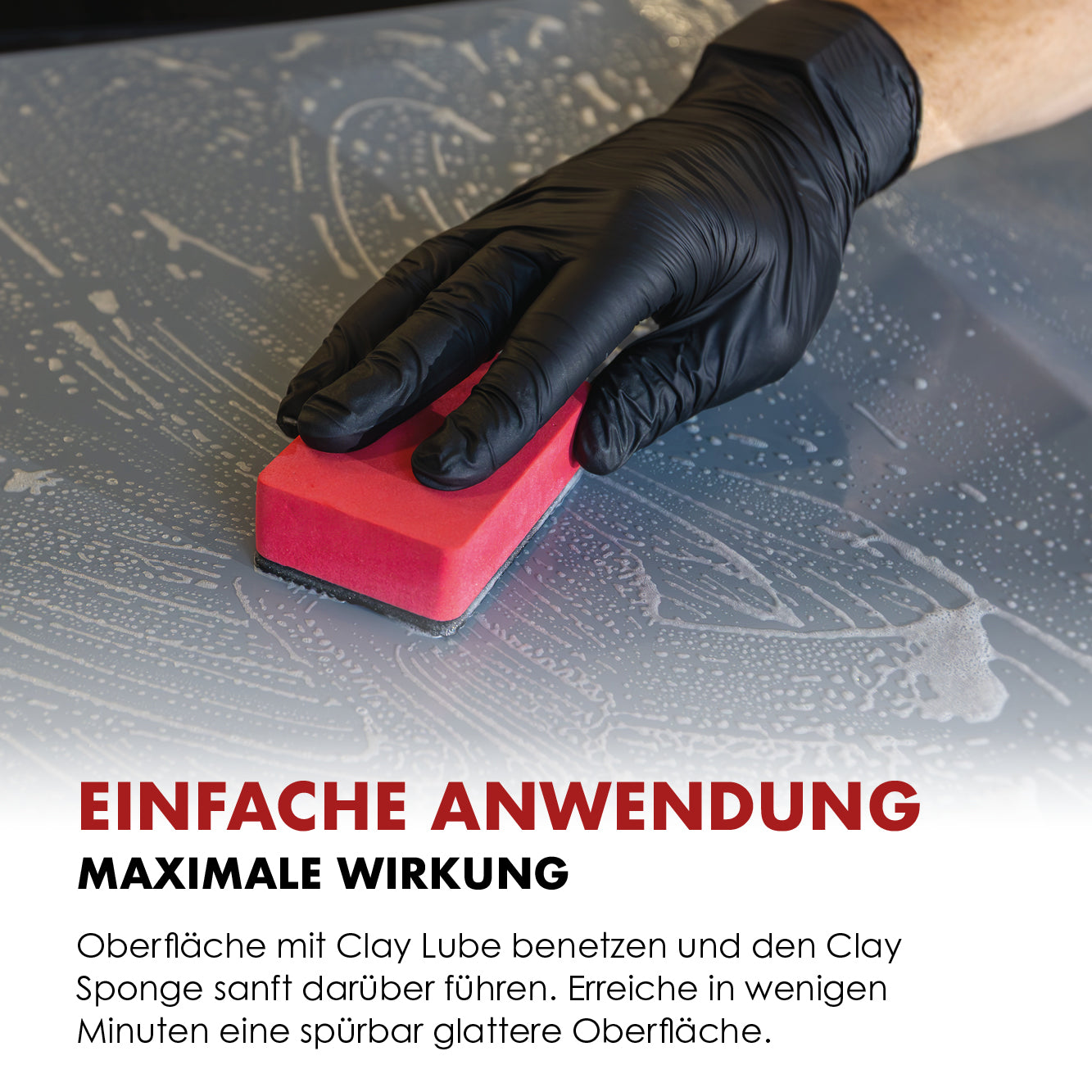
Clean the surface thoroughly. Apply lubricant to the Clay Sponge and the surface. Only work on cool surfaces.
Move the polymer face in short passes with light pressure. Rinse frequently and maintain lubrication. Stop immediately if you find sand or other particles.
Remove residue and inspect the surface. Polish paintwork afterwards. Rinse the sponge with fresh water and leave to air dry.
Never use dry. Test on an inconspicuous area and keep replenishing the lubricant. Stop immediately if particles become trapped or the working face is damaged.