Jetzt online-> unser großer Thermo- poleringspude guide .
From gentle finishing to maximum cut.
Professional options Microfibre = high cut · Wool = maximum cut
8 produkter
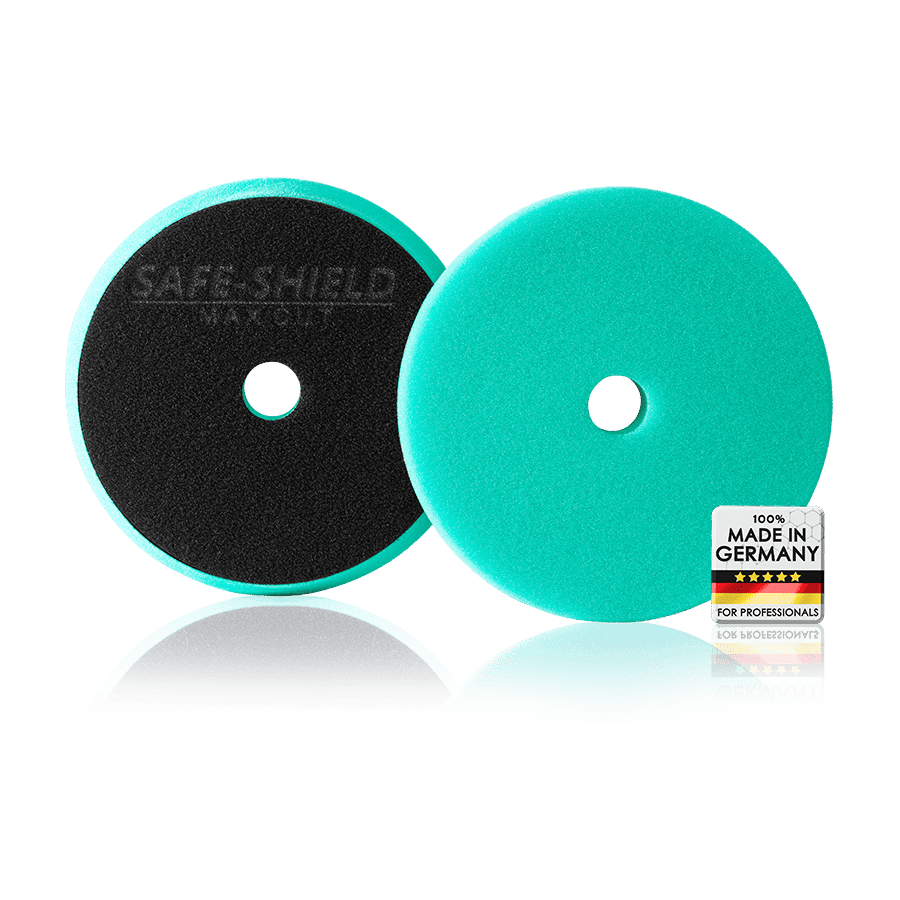
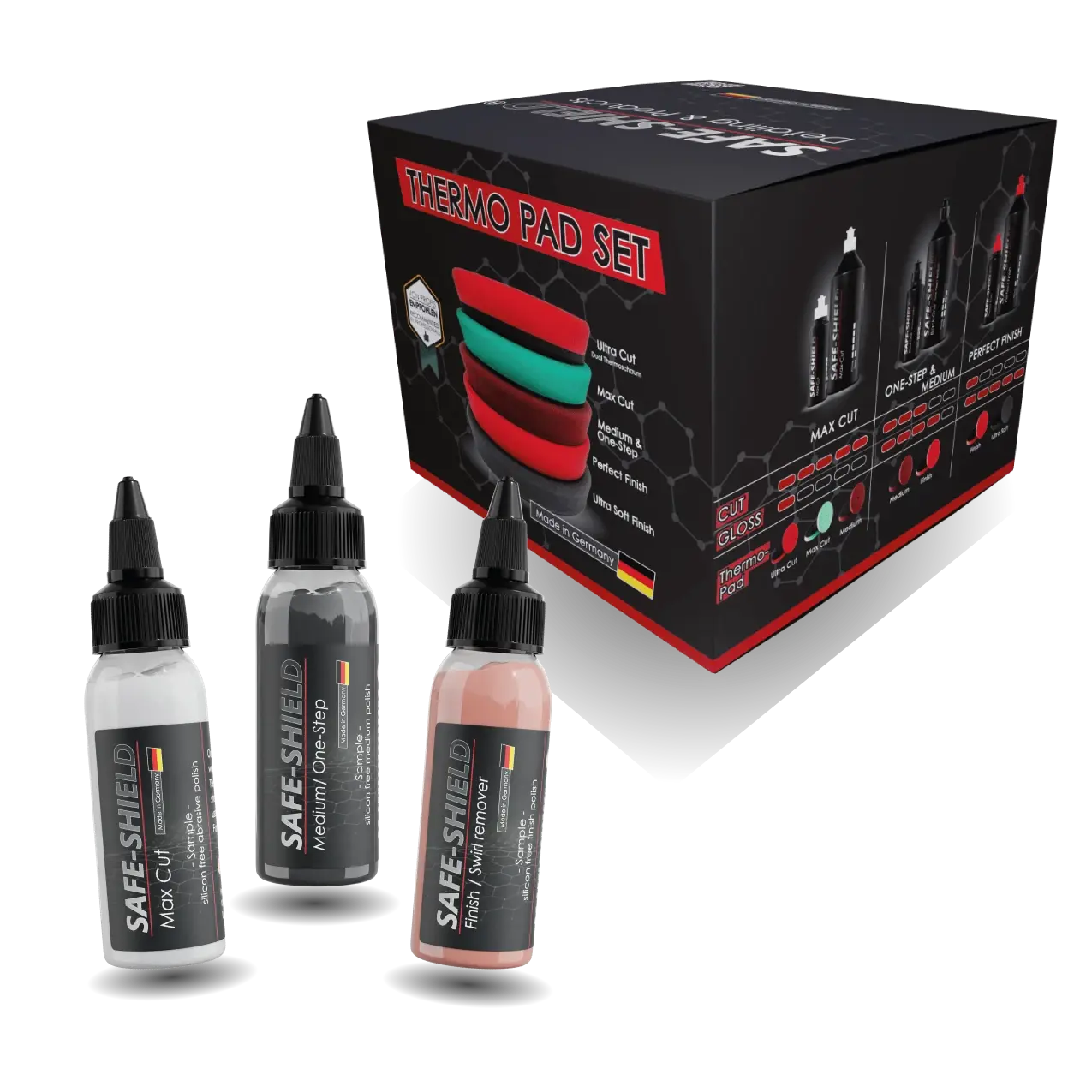
For heavy defect correction on most vehicle paintwork, we recommend the Max Cut polishing pad combined with the Max Cut compound . This combination offers a controlled starting point before moving to more aggressive specialist pads.
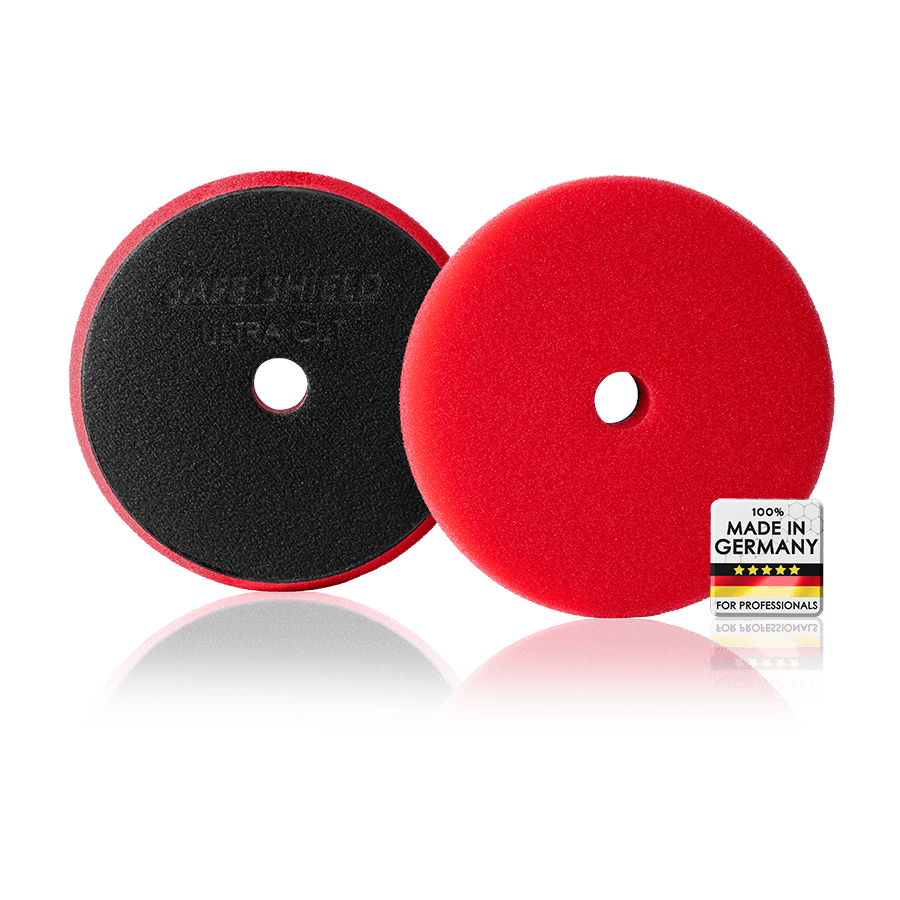
If the test spot shows insufficient cut on very hard paintwork or GRP, you can switch to Ultra Cut.
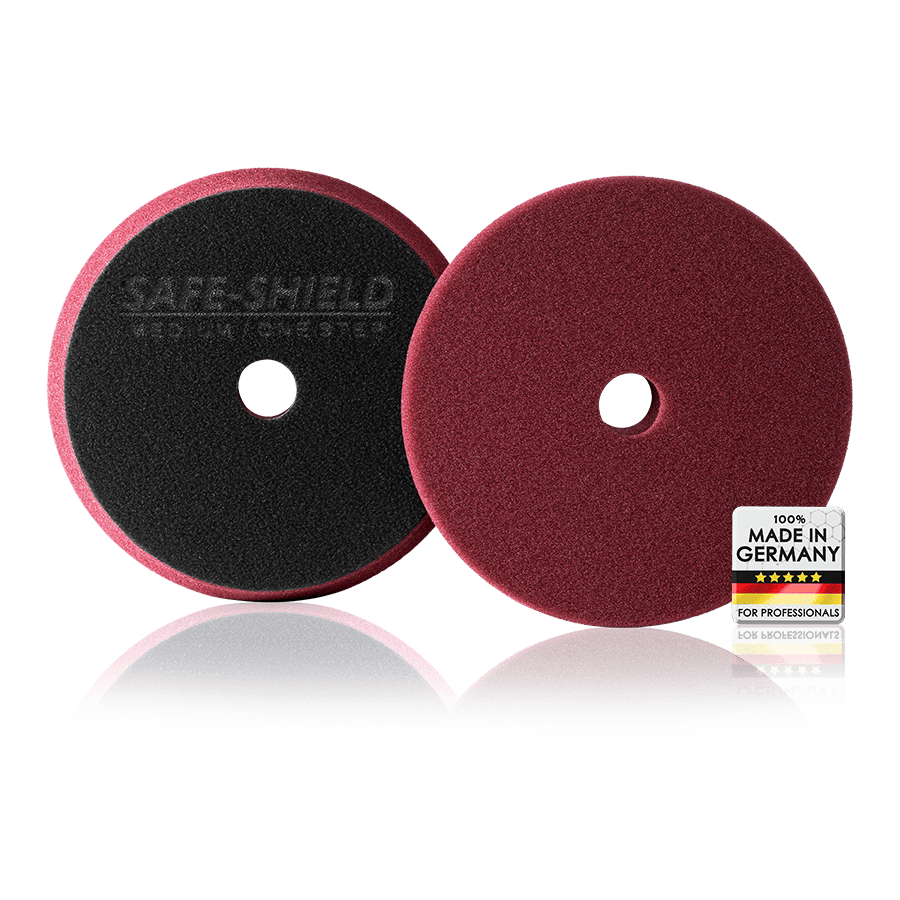
The Medium One-Step polishing pad is our standard recommendation for light to moderate defects and high gloss in one step. Together with the Black One one-step polish it provides a balanced combination of correction and finishing.
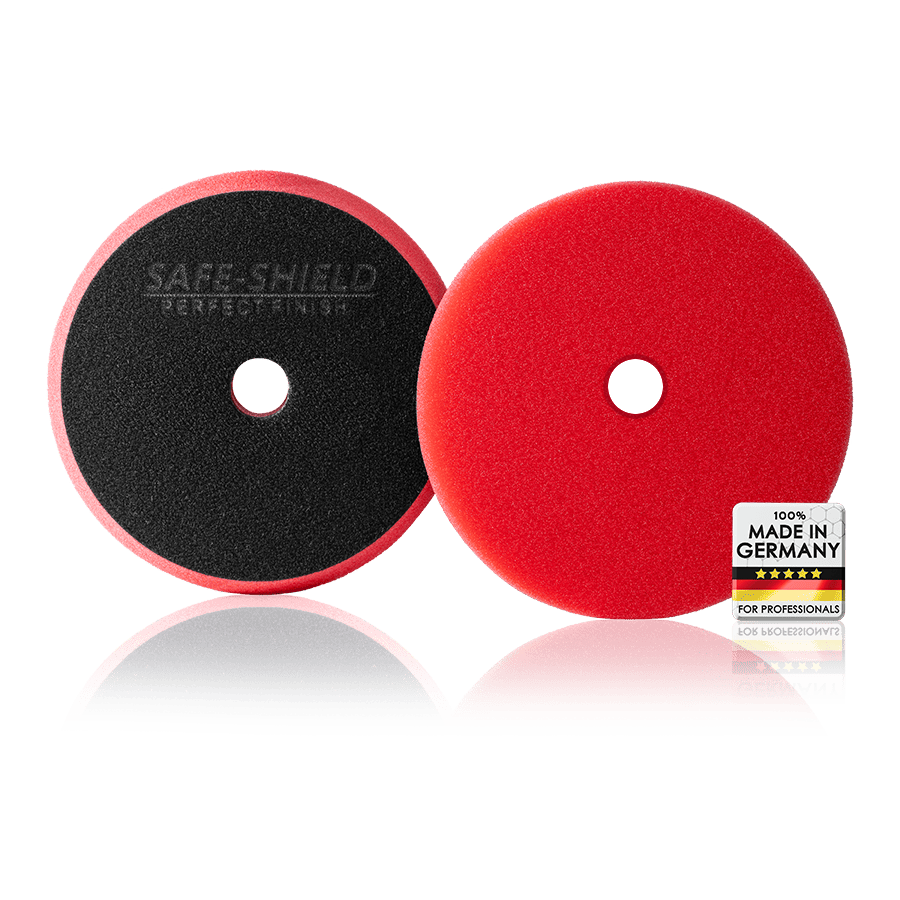
For holograms and fine polishing marks, we recommend the Perfect Finish polishing pad with the Perfect Finish polish . This is the controlled standard finishing combination for most vehicle paintwork.
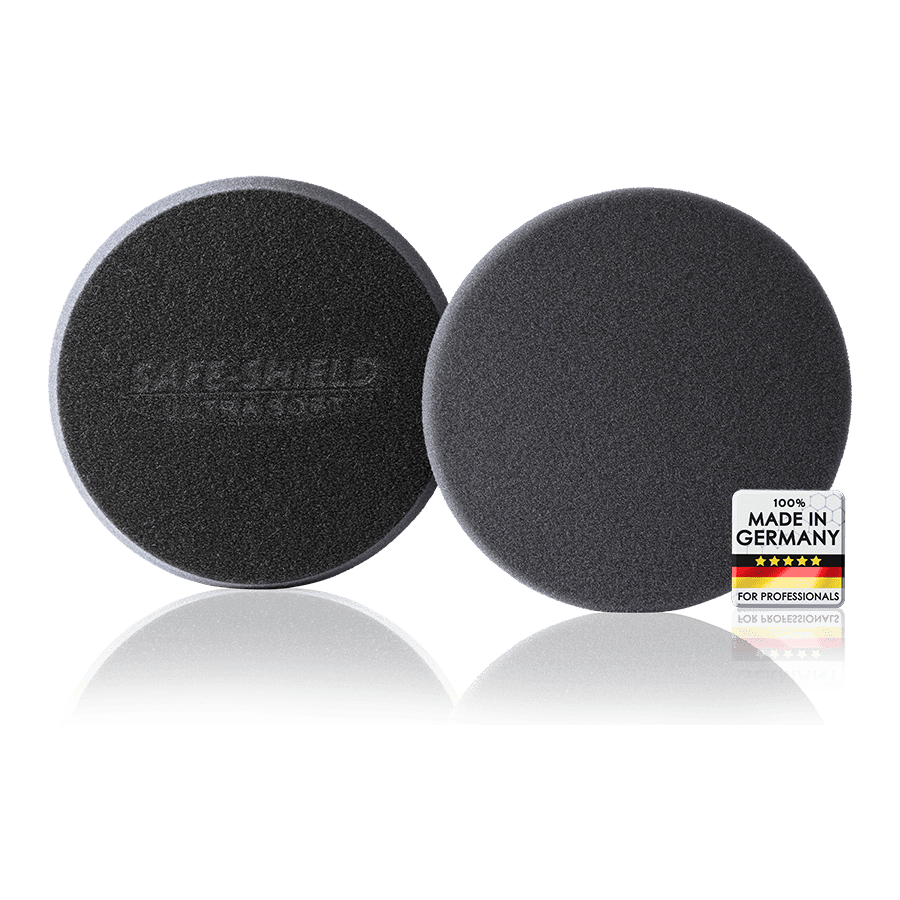
On particularly soft, dark and sensitive paintwork, the Ultra Soft Pad may be the gentler alternative.
These pads are specialist options for greater cut. They are useful when the standard combination does not provide enough correction on a test spot.
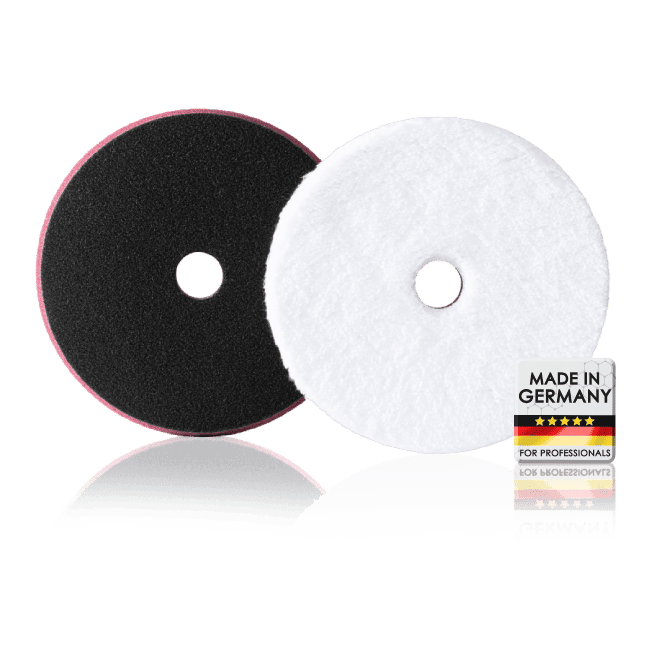
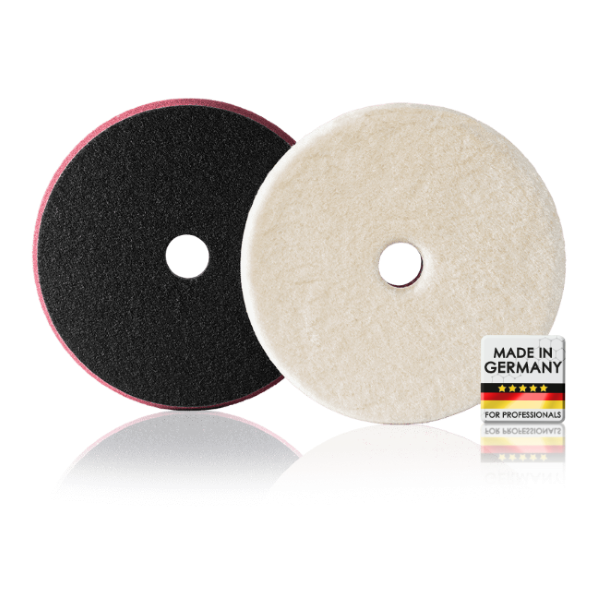
Ultra Cut is the strongest Safe-Shield foam pad and is designed particularly for hard paintwork and GRP. The Microfibre Cutting polishing pad provides high cut with free-spinning and forced-rotation dual-action polishers. The Wool Cutting polishing pad is the most aggressive professional option for heavy correction with dual-action polishers.
When using Microfibre and Wool, work small areas, clean the fibres regularly and monitor heat build-up. Neither pad is recommended for rotary polishers.
Yes. Our standard combinations give you a reliable starting point, but the system is flexible. Experienced users can adapt cut and finish to paint hardness, defects, the machine and the desired result using different combinations.
Always start with a test spot, then assess defect correction, finish quality and any further finishing needed.
View matching polishes
Safe-Shield grew out of hands-on vehicle detailing. The practical experience of managing director and detailer Tim Kohl continues to shape the development of our products and systems.