
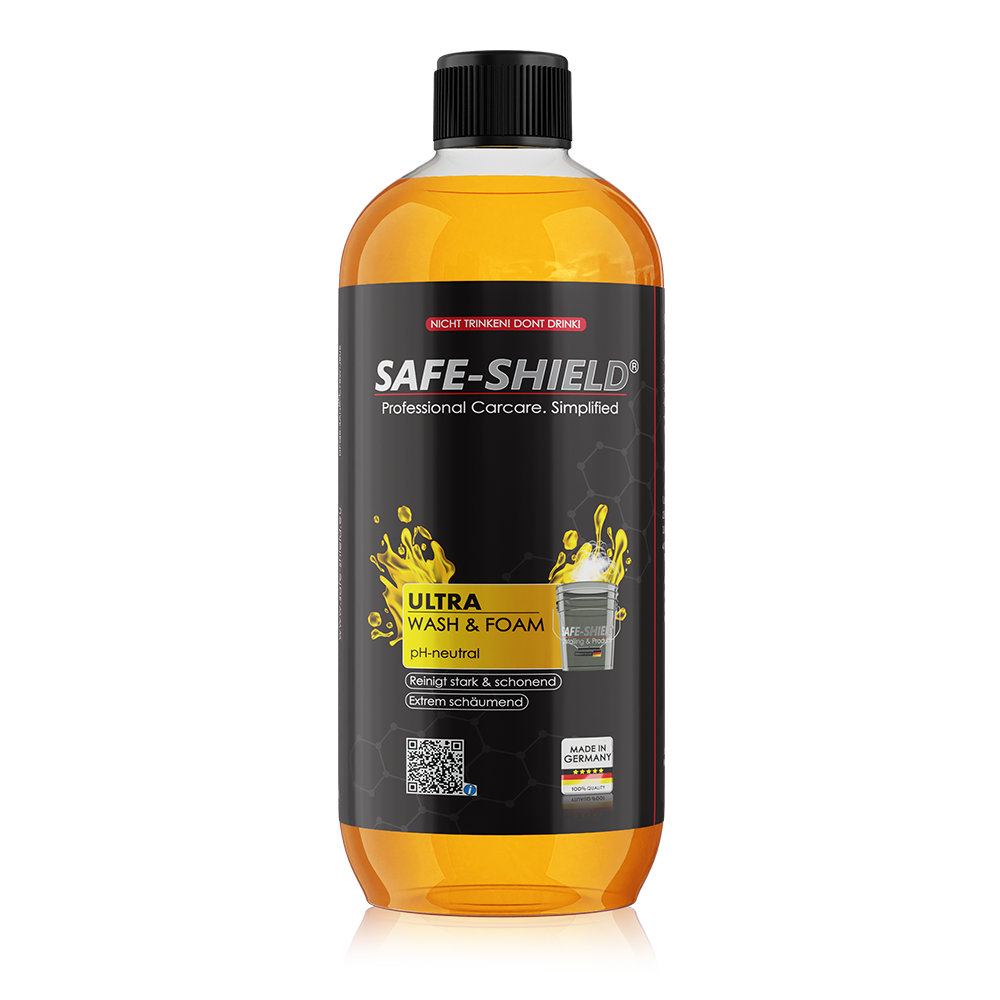
Remove road salt and winter traffic film with a thorough pre-wash followed by a gentle contact wash. Rinse away as much dirt as possible before the wash mitt or brush touches the paint. A frost-free washing location and enough time to dry the car afterwards are essential.
When is a winter wash worthwhile?
When the sills, rear and lower doors are covered in salt and traffic film, cleaning is worthwhile even if the car will soon get dirty again. The aim is not flawless paint every day. It is to regularly remove accumulated dirt and keep windows, lights and number plates clean.
A fixed number of days will not suit every vehicle. Daily driving on salted roads requires a different routine from a car mainly kept dry in a garage. After long journeys through salt and slush, do not simply leave the contamination until spring.
When should you avoid washing?
Even just above freezing, the temperature at the washing location matters, rather than only the display in your car. A frost-free indoor facility with effective drying differs from a draughty wash bay where water immediately freezes. Check the conditions on site.
Removing salt and winter traffic film
- Prepare the car: Switch off automatic wipers, close the windows and follow your vehicle’s washing instructions. Do not scrape ice or snow from the paint with a wash brush.
- Pre-wash thoroughly: Rinse off loose particles and salt residue. Pay particular attention to lower areas and wheel arches. Choose the lance distance according to the facility and vehicle instructions; do not direct the jet into seals or damaged paint.
- Wash with shampoo: For hand washing, add 60 ml of Wash & Snow Foam to 10 litres of water. Start at the top with a clean mitt and leave the dirtier lower areas until last. Rinse the mitt frequently.
- Rinse completely: Remove cleaner and loosened dirt before residue dries. A pre-wash alone often leaves adhering traffic film.
- Dry: Guide a clean drying towel over the washed paint without heavy pressure. Absorb remaining water around door edges, seals and mirrors.
For the underbody, a purpose-designed wash programme is the more sensible choice. Do not crawl underneath the vehicle or improvise pressure washing around lines or electrical components.
Hand wash or self-service wash bay?
You may use your own buckets and cleaners in a self-service bay only if the operator allows it. If you must use the supplied equipment, see our Sequence for a self-service car wash. With a brush, pre-washing, cleanliness and very little pressure are especially important.
A Brush Cover places a soft microfibre surface between the bristles and paint. It does not automatically make a dirty brush safe. We explain the decision in How to use a wash brush cover.
What matters on protected paint?
Salt and dirt still need removing from ceramic-coated paint. A coating does not replace washing or protect against every scratch or water spot. Our pH-neutral shampoo is a suitable starting point for regular cleaning; specific care instructions for wraps and coatings remain decisive.
A fresh ceramic coating needs time to cure first. For the appropriate routine, see Caring for a car after ceramic coating. For ordinary hand washing and drying, read How to wash your car and Drying a car without water spots.
Frequently asked questions
Can I use a self-service wash bay below freezing?
Only if the facility and the entire process actually provide safe, frost-free conditions. An ordinary open wash bay in freezing weather is unsuitable.
Is a quick rinse enough to remove road salt?
Rinsing removes salt and loose dirt. Removing bonded winter traffic film completely often requires a gentle contact wash.
Do I need an especially aggressive shampoo in winter?
Not as a rule. Start with a thorough pre-wash and a suitable car shampoo. More cleaning power does not replace the right process.
Can I wipe dirty paint dry?
No. Wash and rinse thoroughly first. A drying towel is intended for remaining water on clean paint.

Leave a comment
All comments are moderated before being published.
This site is protected by hCaptcha and the hCaptcha Privacy Policy and Terms of Service apply.