
You can polish a car by hand with a polish expressly suitable for hand application and a matching applicator. This allows you to work small areas and fine marks. For thorough polishing and scratch correction across a whole car, however, a machine polisher is essential.
What is realistic when polishing by hand?
A suitable hand polish can improve gloss on small areas and reduce light, superficial marks. How much visibly disappears depends on paint hardness, polish and defect depth. Hand work quickly becomes laborious on hard clear coat in particular. Do not expect a few wiping movements to remove every scratch.
Deep scratches, paint that has been polished through and peeling clear coat cannot simply be repaired by hand or machine. A machine makes material removal more efficient; it does not increase the paint thickness available. We explain the limits in Removing scratches from car paint.
Distinguishing hand polishing, wax and paint protection
Abrasive polishing works the surface by removing a small amount of material. Wax and paint protection products, by contrast, are intended to protect it; they do not replace this step. Paint may look better after a protection product even though the scratches remain.
‘Apply by hand’ is therefore not a sufficient description of a polish. Check whether the product is actually intended for abrasive hand polishing. Our comparison of Polishing or waxing explains the distinction.
Working a small area by hand
- Thoroughly wash and dry the paint. If necessary, remove bonded residue with a material-appropriate method before polishing over it.
- Choose a polish suitable for hand application and the specified applicator. Work on cool gloss paint in the shade.
- Test a small area first. Spread a little product and work it evenly according to the instructions, without pressing hard with individual fingers.
- Wipe off residue with a clean, soft towel and inspect under good lighting. No visible progress is a reason to reconsider the method, rather than keep rubbing harder.
The Allround Soft 400 GSM is suitable for wiping off polish residue. A clean towel supports wipe-off; it does not replace a suitable polishing applicator.
When does a machine offer more?
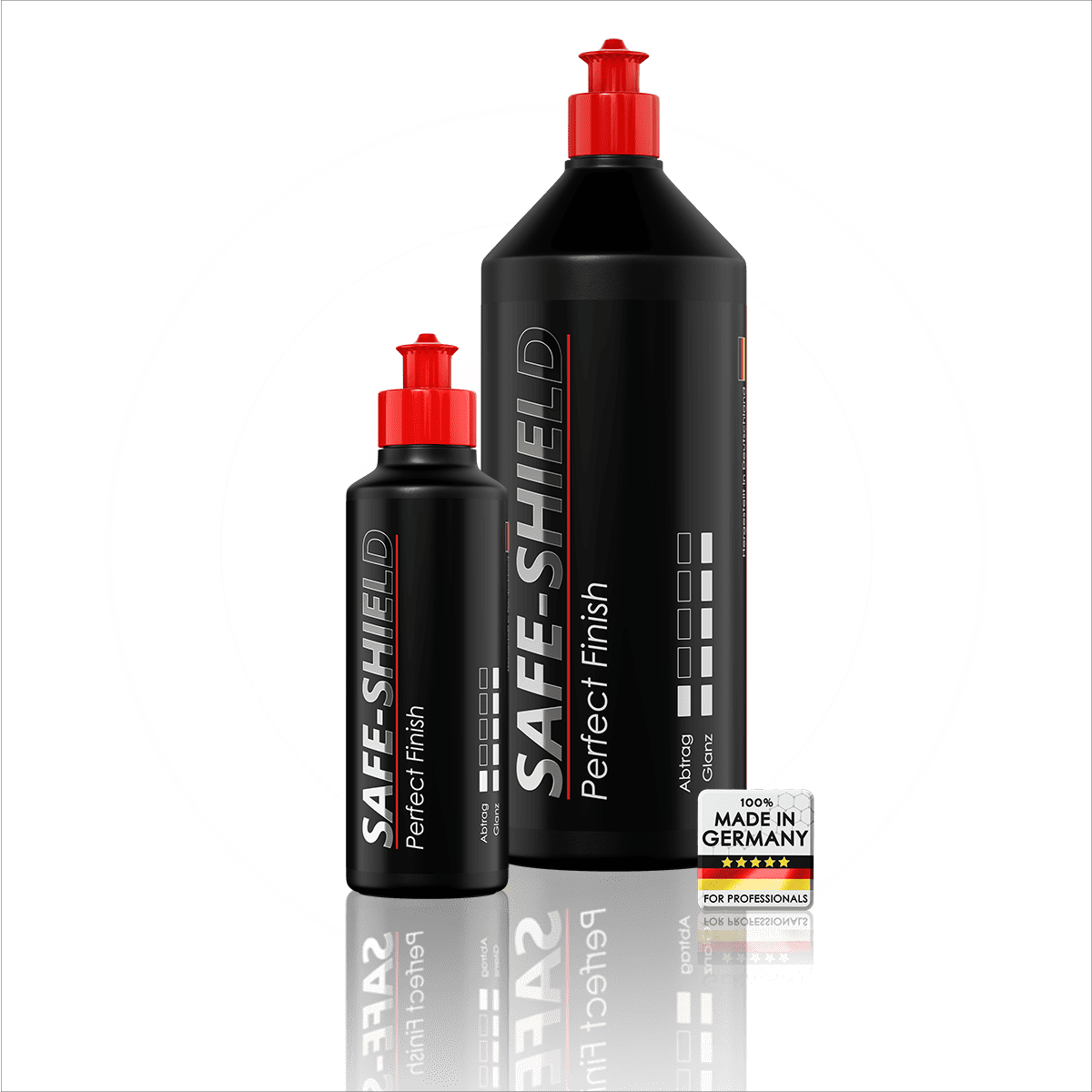
If numerous scratches or generally dull paint bother you, a machine-polished test spot makes sense. For light to moderate defects, Black-One with the Medium One-Step Pad is a possible starting point. For fine marks and high gloss, consider Perfect Finish with the appropriate finishing pad.
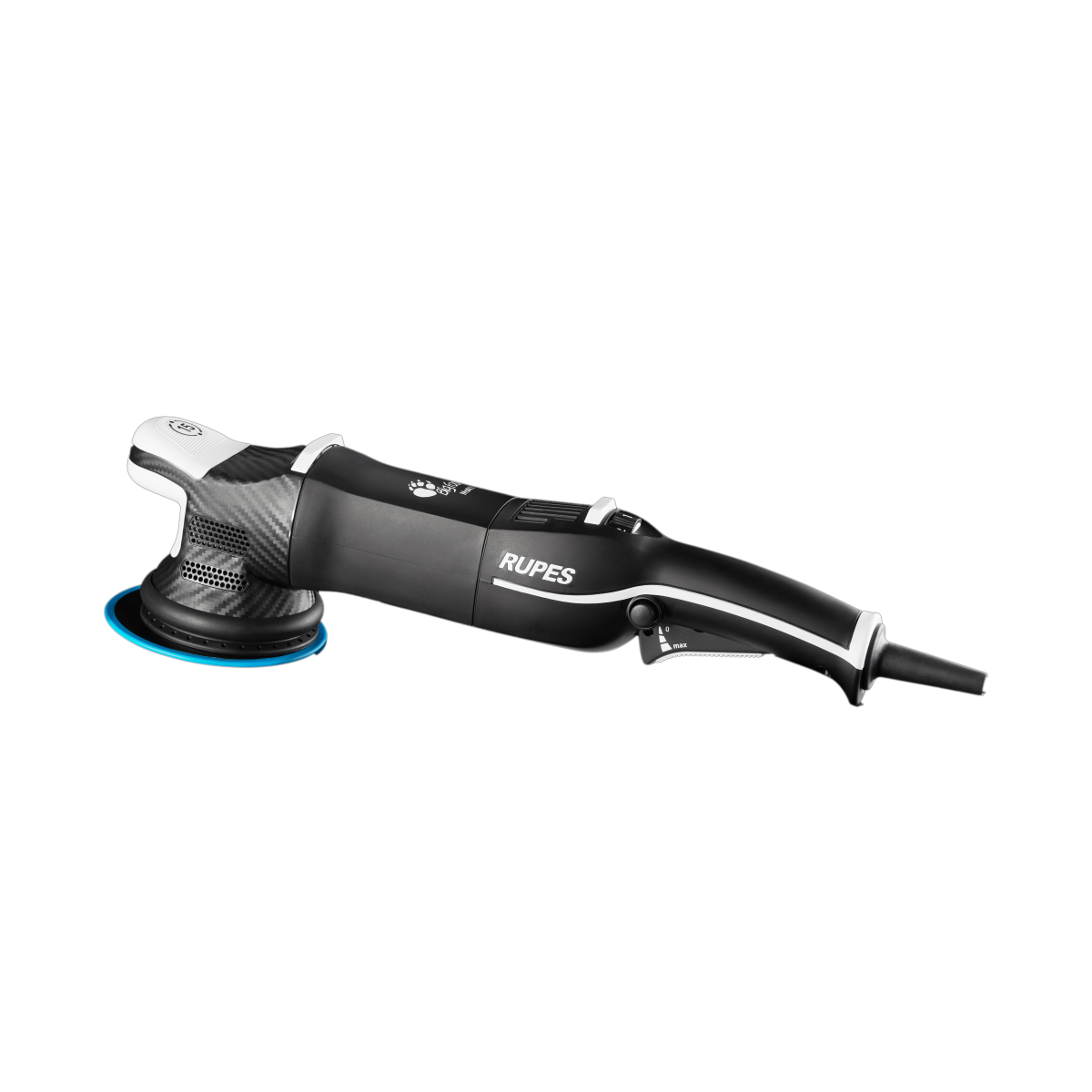
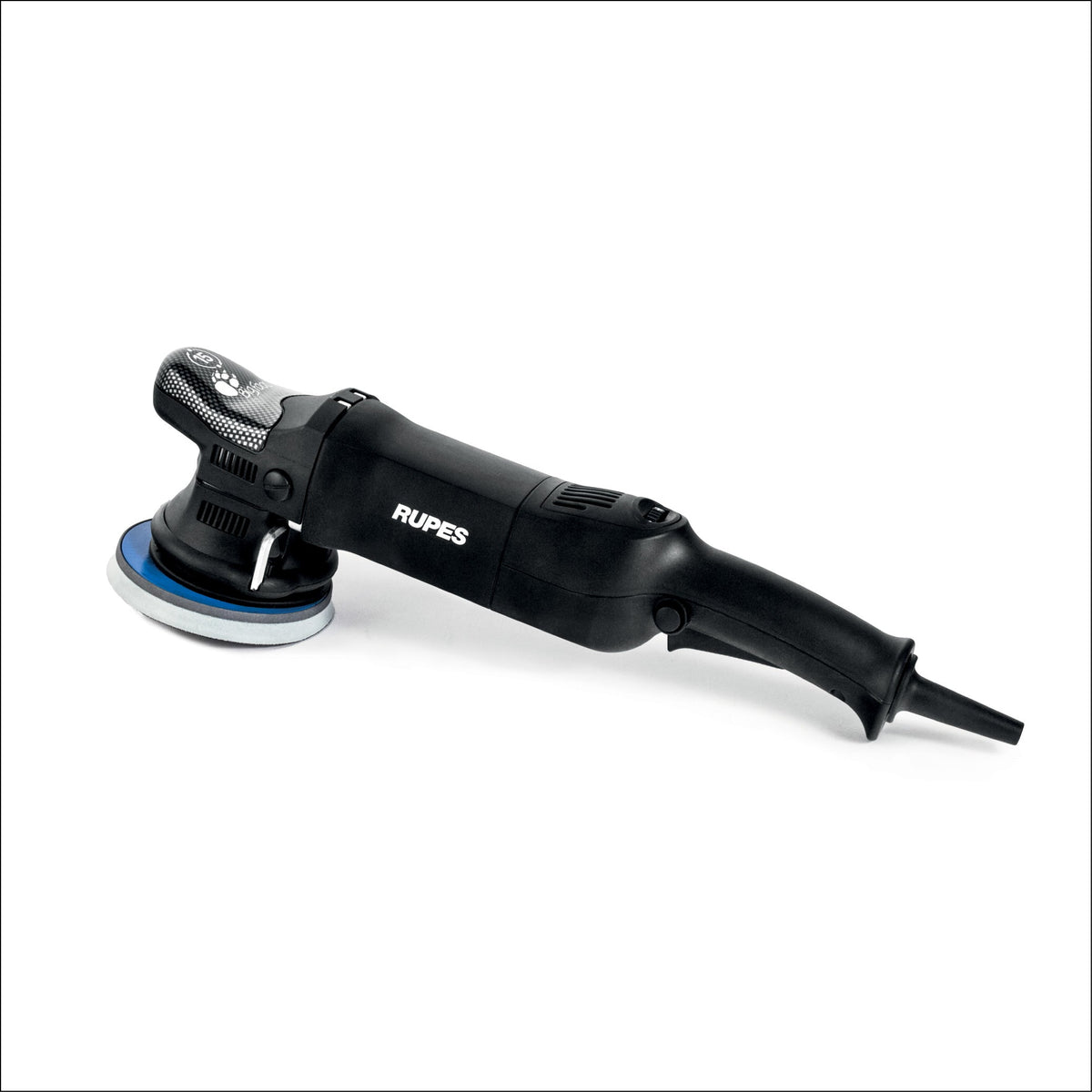
The RUPES LHR15 ES makes even correction of larger areas easier. Preparation, controlled technique and result inspection are still necessary. Compare material costs and time in How much does car polishing cost?.
Frequently asked questions
Can I polish matte paint by hand?
Ordinary abrasive paint polish changes the matte texture even when used by hand. Do not use a conventional gloss-enhancing polish on matte paint.
Can I polish with a microfibre towel instead of an applicator?
A wipe-off towel is not automatically suitable as a polishing tool. Use the applicator specified for the hand polish.
Is hand polishing always safer than a machine?
No. Dirt, unsuitable products and high pressure concentrated in one spot can also cause damage by hand.
Can I polish just a small area?
Yes, if the surface and product are suitable. Afterwards, inspect the transition to the surrounding area and renew the paint protection if needed.

Lämna en kommentar
Alla kommentarer granskas innan publicering.
Denna webbplats är skyddad av hCaptcha och hCaptchas integritetspolicy . Användarvillkor gäller.