
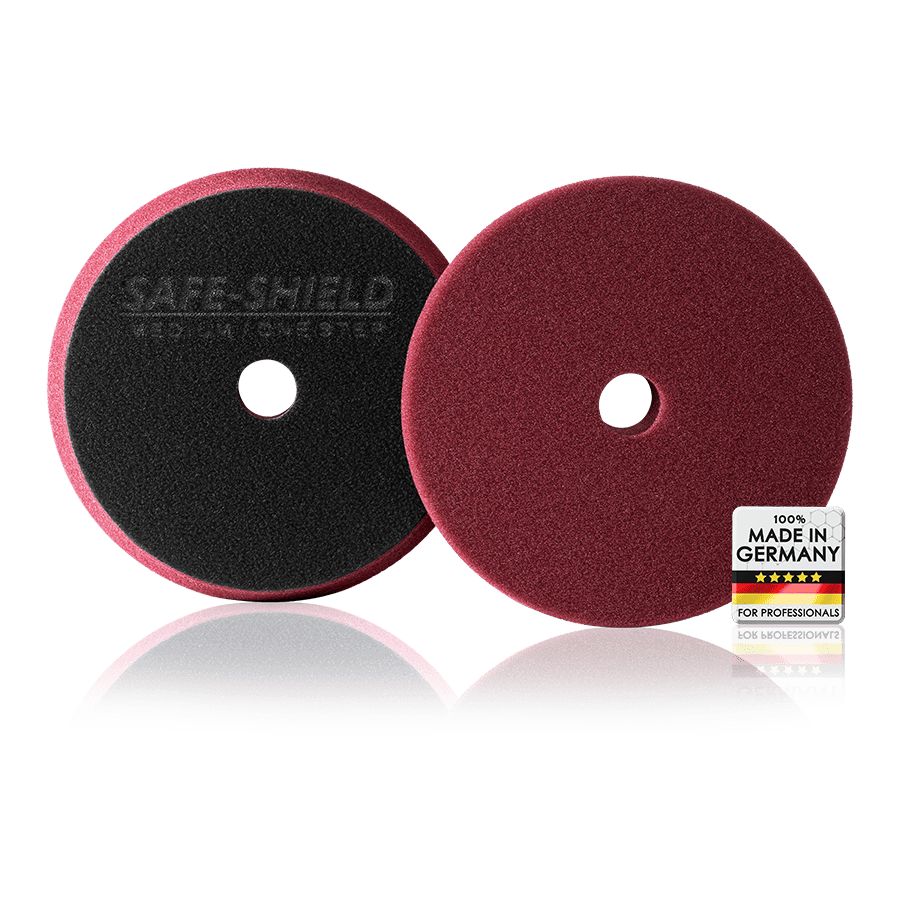
Have several pads for the same polishing stage ready when working on a whole car. As a purchasing guide for a compact car, plan around four to six suitable foam pads for a one-step polish. For two polishing stages, you need separate pads for each. The exact number depends on the surface area, paint condition and how often you clean the pads during the job.
These numbers are a practical planning guide, not a fixed usage requirement. What matters is the condition of the pad: a fresh pad works more consistently, feels easier to control and helps you achieve a good result without unnecessary reworking.
How many pads should you plan for?
The following examples are a guide for a compact car, a typical machine with a 125 mm backing plate and regular cleaning during use. Larger vehicles, heavily marked paint or more frequent changes may require more.
One polishing stage with Black-One
Plan around four to six Medium One-Step Pads if this combination works well on your test spot. Change pads according to their condition and workload. Do not allocate them rigidly as ‘one per side of the car’ — the bonnet, roof and smaller areas put different demands on them.
A cutting stage followed by finishing
As a starting point, have four to six suitable cutting pads and three to four finishing pads ready. Keep cutting and finishing pads separate. If you only carry out stronger correction in isolated areas, you will need fewer cutting pads.
Refining the gloss only
For a finishing-only stage, three to four suitable finishing pads are a sensible initial plan. Sensitive paint or pads that clog quickly are likely to require more. Our Perfect Finish Pads suit many paint finishes; for very sensitive dark paint, we recommend Ultra Soft with Perfect Finish.
First check which combination works with a polishing test spot. This lets you buy what you need rather than building a large stock of every grade.
How do you know when you need a fresh pad?
- The working face is clogged with residue. Adding fresh polish alone will not clear it.
- The pad becomes noticeably warm or soft. Stop and check the pressure, machine settings and working time as well.
- The polish smears or the result gets worse. A clean pad helps you identify whether the pad itself is the cause.
- The pad no longer runs smoothly. Check its mounting, shape and cleanliness.
- Dirt, tears or detached hook-and-loop backing are visible. Take the pad out of use immediately. Do not continue with damaged equipment.
Check the pad after every section and remove residue regularly. Our guide to cleaning, drying and changing polishing pads explains the care process. Cleaning during use can extend the working time, but it does not replace a fresh pad when the current one is saturated or damaged.
Which stages and sizes do you actually need?
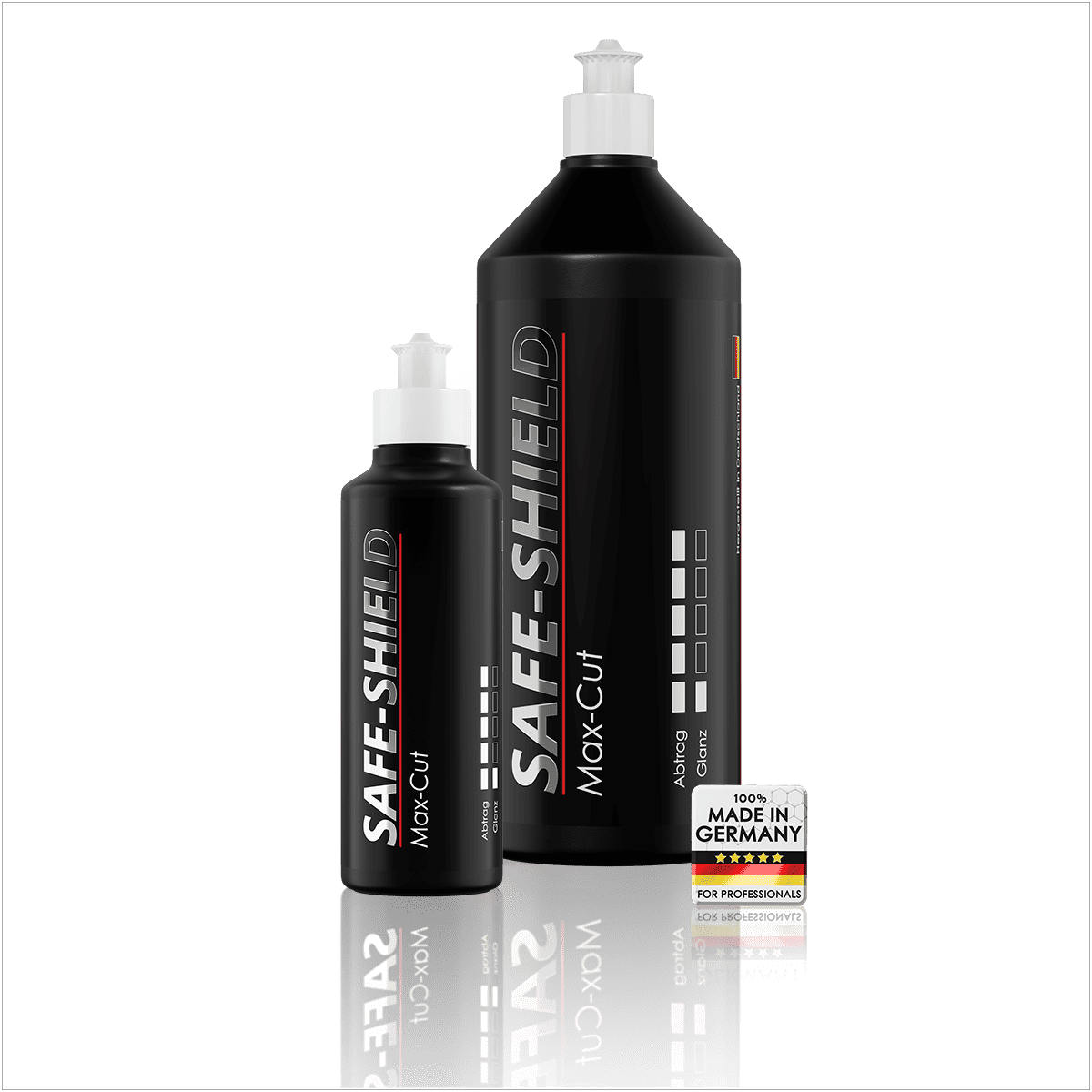
Use separate pads for each polishing stage. A pad containing Max Cut residue cannot simply be used for the final finishing stage. Keep pads separate during the job, for example in labelled, clean trays.
Plan additional small pads if you use a suitable machine for narrow areas. Do not fit them arbitrarily to a large machine. Check the required backing plate size and the actual pad dimensions.
Colour alone is not a reliable guide when comparing different brands. Our guide to polishing pads, firmness grades and sizes explains the role of each of our pads.
Are the pads in a polishing kit enough?
A kit containing different pads gives you a choice of combinations. For a longer polishing session, you also need several pads of the selected grade. Even 15 pads do not automatically mean 15 pads for the same purpose: a kit containing five variants might, for example, include three of each.
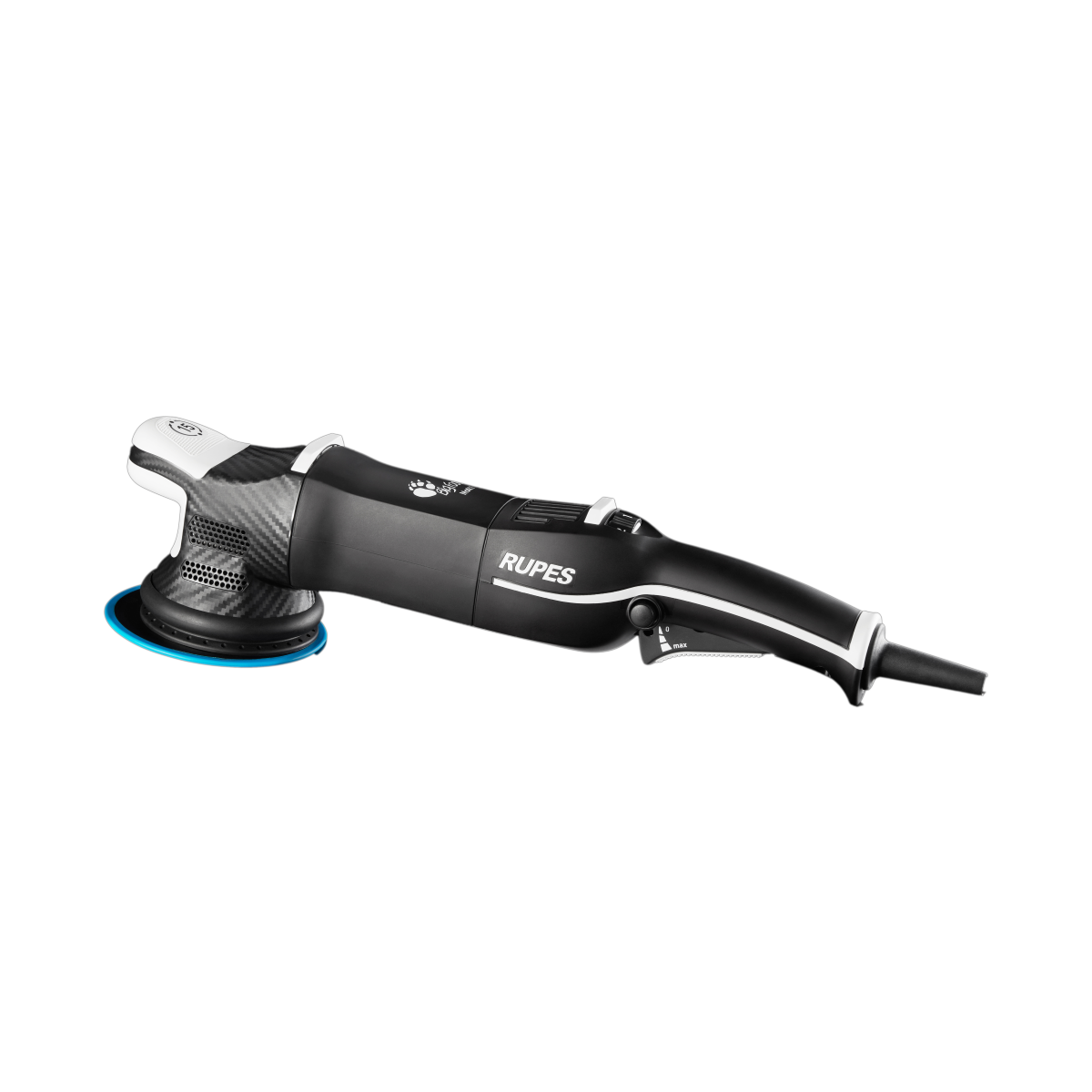
Compare the contents with your planned process. Our article RUPES LHR15 ES or Mark V: choosing a machine and kit explains the two kits.
If you want to reuse pads that have been wet-cleaned during the job, allow enough time for them to dry completely. A wet pad works differently and should not simply go straight back onto the paint. Having enough dry spare pads makes the day easier.
Frequently asked questions
Can I polish a whole car with just one pad?
A single pad can become heavily loaded with residue and warm during use. For a continuous workflow, we recommend several suitable spare pads. Reuse requires appropriate cleaning and, where necessary, complete drying.
Do I need a new pad after every panel?
Not necessarily. Check it after every section. A large, heavily scratched area puts different demands on the pad from a small area receiving a short finishing stage.
Can I later use a cutting pad as a finishing pad?
Not during the same process. Keep the stages separate and use a clean, suitable pad for finishing.
Do I simply need twice as many pads for an SUV?
Not automatically. Larger areas increase demand, but paint condition, polishing stages and cleaning during use matter too. Take more spare pads for larger vehicles and judge their condition as you work.

Lämna en kommentar
Alla kommentarer granskas innan publicering.
Denna webbplats är skyddad av hCaptcha och hCaptchas integritetspolicy . Användarvillkor gäller.